Insulated Doors for Cold Rooms
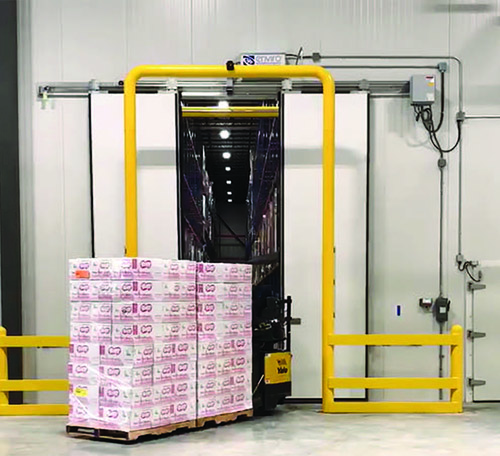 Cold storage facilities and other businesses with walk-in refrigerators or freezers need ample insulation around the doorway to ensure proper temperature maintenance. Installing insulated doors for cold rooms is a highly effective way to ensure products that require cold storage have a suitable temperature-controlled environment.
All You Need to Know About Cold Room Doors
It’s essential to understand precisely what cold room doors are, how they work, and their benefits before selecting the best option. Whether your business is in the food industry, hospitality and service industry, or you use advanced technology in a lab, cold temperature environments are necessary for many applications worldwide.
A cold storage room with an insulated door is the perfect solution for many companies. However, you’ll want to carefully consider the factors when selecting the best option for your company’s needs.
What Are Cold Storage Doors?
Cold storage doors are an insulated type of door common with large industries needing long-term storage solutions. Businesses utilize these doors to maintain cold or freezing temperatures in cold storage rooms while a positive temperature remains on the exterior. From a specific industrial application to a food manufacturer, different company products requiring a stable temperature benefit significantly in a freezer or cold room.
These industrial doors are easy to install and are available in a variety of materials. They come equipped with a thick door leaf with significant insulation. There are many different door types available depending on the industry and application.
How Do Cold Storage Doors Work?
Before selecting a cold storage door, it’s crucial to understand thermodynamics. This concept describes when warmer air flows towards colder air, thus raising the overall air temperature. A cold storage door leaf is thick enough to stop this air flow, while the door frame is flush with the ground to prevent air and light leakage.
Insulated doors for cold rooms effectively keep warm air out of your cold storage space. They work against the laws of thermodynamics thanks to unique construction and additional temperature control solutions. Extreme freezer door panel thickness, extra insulation around edges, corners, and seals, and reliable materials make your cold room structure perfect for sub-temperature stored food, drugs, and more.
Benefits of Cold Room Doors
Cold room and freezer room doors offer many benefits to businesses that use them. Unlike other types of doors common in industrial facilities, they are unmatched in many categories:
- Cleanliness: An insulated cold storage door panel ensures ultimate cleanliness for food inside a freezer. The construction uses food-safe material and is thick enough to prevent exterior contaminants from entering freezer rooms.
- Affordable to install: Not all freezer doors need a sealant to keep air out. Depending on the design of the door, you may save money if the installation doesn’t require sealant.
- Flat, smooth design: High-quality cold room door materials leave a sleek, seamless look. This design also contributes to the controlled temperature in the cold room.
- Energy efficiency: These doors are also excellent energy-saving solutions—their ability to keep cold temperatures in and warm air out results in better energy efficiency. Your products will stay at the ideal temperature, and you won’t have to use as much cooling power to keep them protected.
- Increased worker productivity and customer comfort: Cold temperatures in the workplace result in lower productivity among employees. If cold air leaks from your business’s cold room doors, customers and employees may feel the effects. When you install insulated cold room doors for your cold storage room or freezer, you’ll notice productivity and comfort levels increase within the workplace.
- Well-protected products: Some items cannot withstand certain temperatures. An ineffective cold room or cold room doors lead to spoiled food products and other mishaps. An insulated cold room door’s convenient features prevent temperature and air leakage to keep food and other products safe.
- A wide selection: Insulated cold room doors of every size, shape, type, and color are available for purchase. Consider options like hinged doors, high-speed doors, options with mounted openers, and other quality choices.
Guide to Choosing an Ideal Cold Room Door
Before purchasing a cold room door, it’s vital to ensure you know what to consider during your search. You’ll need something that keeps out warm temperatures, helps maintain a freezing temperature inside, offers ample insulation, and provides convenient, reliable access from inside or out.
Consider your priorities for freezer rooms and cold storage. Do you have a budget that can withstand high energy bills, or do you need an energy-saving cold room? How well-insulated do you need the door to be?
How you answer these questions will help you determine your priorities for cold rooms and cold room doors.
Key Things to Consider When Looking for an Insulated Door for Cold Rooms
When on your search for the perfect insulated cold room door, you’ll need to consider the following aspects:
- Door type
- Other doorway additions
- Water and humidity resistance
- Interior opening features
- Opening speed and style
- Insulation options
Depending on your needs, requirements for an insulated door for cold rooms and walk-in freezers may vary from those in another industry. Plus, you may have additional concerns. Be sure to choose an option that addresses all your current cold room storage issues.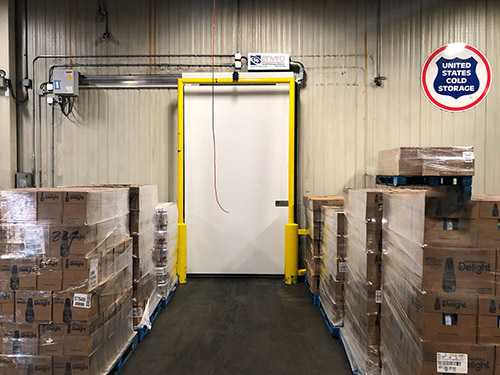
Door Type
Depending on the cooling power you need, the door type will significantly affect how cool your cold room is. Two types of doors are available: refrigeration doors and sub-zero doors.
Refrigeration doors are ideal for cold rooms above freezing temperatures. They’re common in grocery stores and cold storage facilities.
Sub-zero doors are ideal for frozen foods and other items that must stay in freezers for long periods. They have even less airflow, preventing items from thawing.
Other Additions
The structure of many freezer room and cold room builds allows for additional door attachments that prevent warm air from entering the space. Whether you have hinged or sliding cold room doors, you can add further protection.
Other inclusions work well to decrease contamination and prevent warm air from entering through cold room doors when people walk in. Air curtains are popular choices for a walk-in cold room or freezer door.
Some curtains push debris and insects away from the freezer storage area as the warm air surges towards the door. They can also trap pockets of heat.
These air curtains are beneficial in rooms with multiple sections. Efficient designs using air curtains allow companies to combine chiller sections with freezer sections in the same cold storage room, keeping the most frigid air at the back of the room.
Water Resistance
Not all cold room doors are water-resistant. Water and humidity can lead to mold, door panel warping, and other structure-related problems. Freezer room doors in high-humidity climates are particularly prone to these problems.
If your freezer or cold room frame isn’t flush with the floor or has space for mold and dirt to collect, you risk more contamination and quicker wear and tear on the door panel. Consider a water-resistant and humidity-resistant door. Such doors have better longevity and keep the entire structure sealed.
Interior Opening Solutions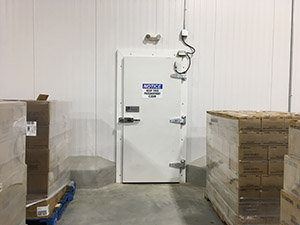
The last thing you want is an emergency at your company. Regardless of foot traffic in your place of business, the cold room doors you choose should feature an access system on the inside of the entrances to prevent workers from getting stuck inside. Swinging doors and sliding doors are among the most popular options compatible with interior door openers.
Cold room doors should have temperature-resistant openers and use materials that don’t stiffen or stick. Additionally, mechanisms should work on both sides of the door. If it does get stuck, the door opening mechanism should also be easy to service.
Opening Speed and Type
A fast-closing door ensures warm air has little time to enter the cold room. This door type is essential to allow traffic through quickly without allowing large volumes of warm or room-temperature air into the cold room.
For this reason, high-speed doors, swinging doors, and hinged cold room doors are among the most popular types across the country. Automatic and manual options are available.
Choose a faster closing door type for maximum temperature protection.
Insulation Levels
The right insulation level varies depending on the products and materials you must store. You’ll need more insulation for lower temperatures. Consider whether you need multiple chambers for frozen items or are storing items closer to room temperature.
Cold room doors come with single or multiple insulation levels depending on the needs of your setup. Significant variety means there is a door insulation level for every need and temperature range. You can choose up to three layers with the top models.
Get High-Quality Cold Room Doors From ASI Doors Today!
Installing the right cold room doors can make or break your business. At ASI Doors, we understand the benefits of a well-insulated cold room or cold room doors. ASI Doors is your leader in insulated cold room doors, whether you need a cold room door for your food service business or another industry.
Get a custom door that meets your cold storage requirements and protects your products thoroughly with our help. We have years of experience serving companies across the country. When you need an energy-efficient option or something with excellent insulation power, we have comprehensive options and the high-quality, food-safe materials you need.
Trust ASI Doors in Milwaukee, WI, for professionally-insulated doors for cold rooms and walk-in freezers. Our experts are available to answer your questions and help you find the best cold room doors for your business. Phone us today at 414-464-6200 for expert service.